North vs. South Facing Windows
Picking the right windows for your home is more than just picking a style—it’s about how they interact with the sun. Whether your windows face north or south, their orientation significantly affects natural light, room temperature, and even your energy bills. For homeowners in Ottawa, understanding window direction can make a noticeable difference in comfort and efficiency, especially with the city’s cold winters and sunny summer days.
Let’s break down how the sun hits your home and what that means for choosing the right windows for your Ottawa house.
Key Takeaways
- North-facing windows provide steady, soft light, ideal for offices, studios, or any space where glare is unwanted. They tend to keep rooms cooler, especially during Ottawa summers.
- South-facing windows get abundant direct sunlight, particularly in winter, helping warm your home naturally. In summer, though, they can overheat rooms if not managed.
- Energy efficiency matters: North-facing windows may require extra insulation or energy-efficient glazing to retain heat, while south-facing windows benefit from coatings or shades to reduce summer heat.
- Smart window choices help control light and temperature, ensuring your home in Ottawa stays comfortable year-round.
Understanding the Impact of Window Orientation
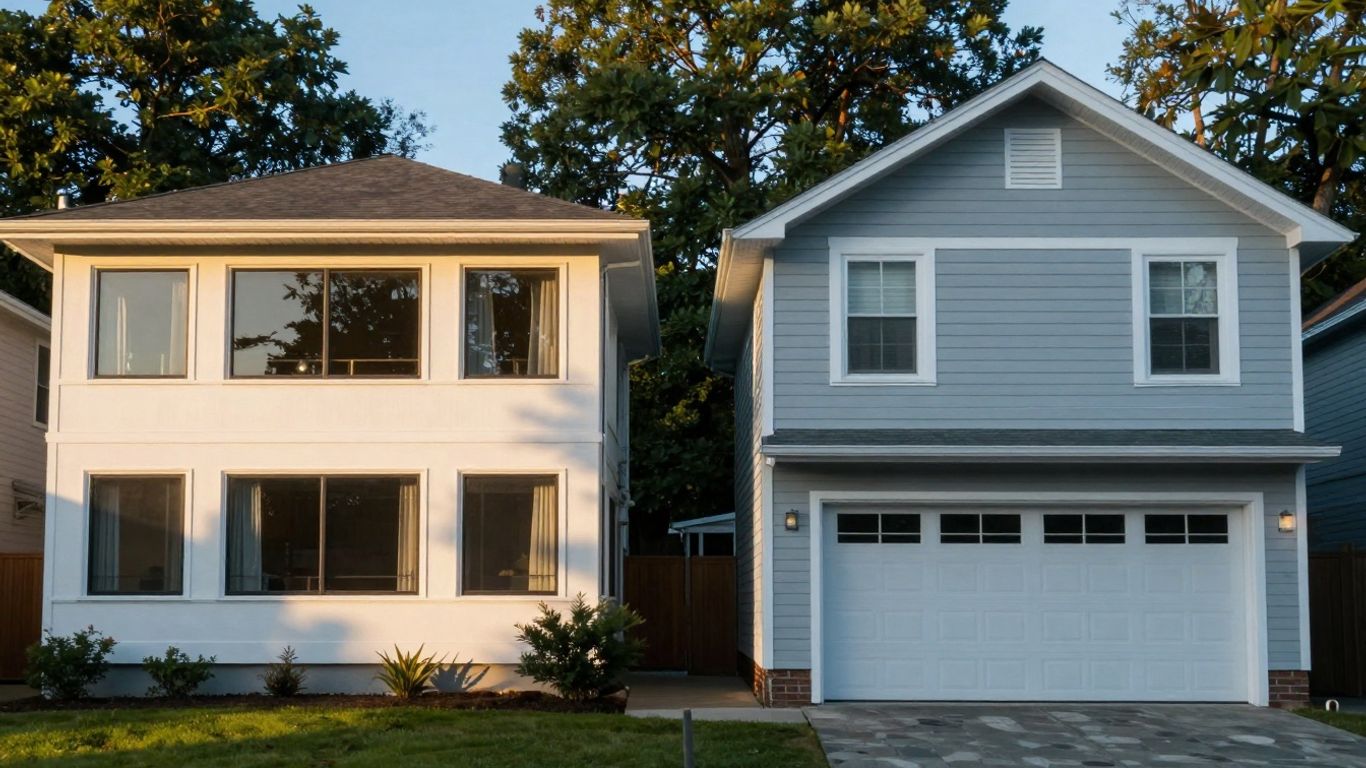
The orientation of your windows affects more than just the look of a room—it influences light quality, temperature, and energy costs. In Ottawa, where winters are cold and summers can be warm and sunny, choosing windows based on direction is a practical way to boost comfort and save money.
Light Quality
Windows facing different directions capture sunlight differently. North-facing windows provide a consistent, diffused light without harsh glare. South-facing windows, on the other hand, get strong direct sunlight throughout the day. This impacts how you use each room and the mood it creates:
- North-facing rooms: Soft, gentle light perfect for reading, working, or displaying artwork.
- South-facing rooms: Bright, warm light that makes spaces feel lively and inviting.
Temperature Control
Sunlight affects room temperature:
- Direct sun warms a room naturally in winter, which is helpful in Ottawa’s cold months.
- Excess sunlight in summer can lead to overheating, increasing air conditioning costs.
Energy Efficiency
Window orientation also impacts your heating and cooling bills. North-facing windows may lose more heat, while south-facing windows can reduce heating costs in winter if used strategically. Smart window choices mean your home works with the sun, not against it.
North-Facing Windows: Characteristics and Considerations
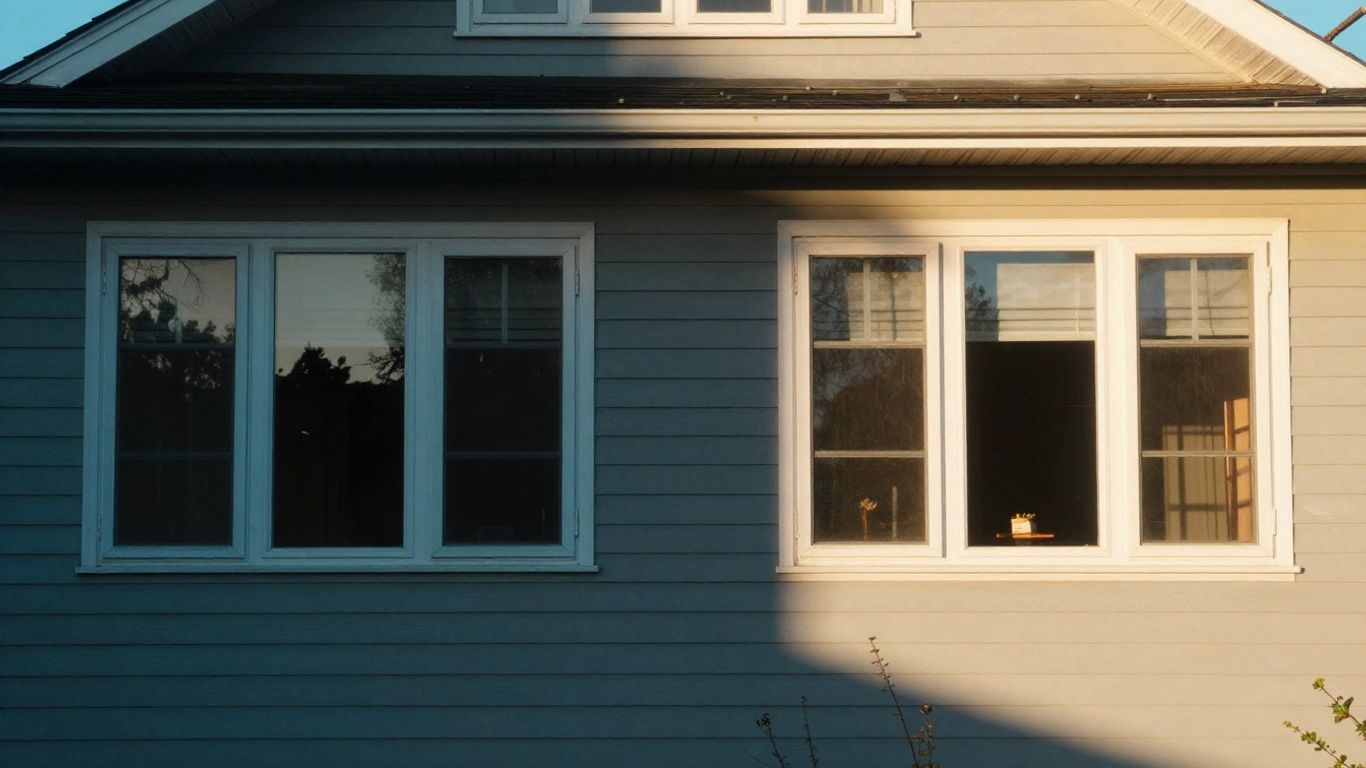
North-facing windows provide steady, indirect sunlight, giving rooms a calm, evenly lit atmosphere. This makes them ideal for spaces where you need consistent light without glare.
Consistent, Diffused Light
- Provides even illumination all day, perfect for workspaces or craft rooms.
- Minimizes glare, protecting your eyes and electronics.
- Prevents fading of artwork, photographs, and furniture.
North-facing rooms can sometimes feel cooler, particularly in Ottawa’s winter months. Using warmer paint tones or area rugs can help make these spaces feel cozy.
Potential for Cooler Temperatures
Since north-facing windows receive little direct sun, these rooms may require extra insulation or energy-efficient windows to retain warmth. Options like triple-pane glass or low U-factor windows are excellent choices for Ottawa homeowners wanting to balance natural light with energy savings.
Best Uses for North-Facing Windows
- Home offices or studios: Soft, consistent light for work without eye strain.
- Art rooms or galleries: Protects sensitive items from UV damage.
- Bedrooms: Gentle morning light for a calm wake-up.
- Reading nooks: Create a peaceful environment for relaxing.
Even though they don’t contribute much to passive solar heating, north-facing windows are valuable for creating a balanced and comfortable home environment.
South-Facing Windows: Characteristics and Considerations
South-facing windows are ideal for capturing direct sunlight, especially during Ottawa’s winter months when the sun is lower in the sky. These windows naturally warm your home and make living spaces feel bright and inviting.
Abundant, Direct Sunlight
- Ideal for living rooms, kitchens, or sunrooms, providing warmth and brightness throughout the day.
- Supports indoor plants that need consistent sunlight.
- Enhances mood and creates vibrant, welcoming spaces.
Potential for Overheating and Glare
While south-facing windows are great for winter warmth, they can overheat rooms in summer. Glare can also become an issue in living areas or offices. Solutions include:
- Installing solar-control window coatings.
- Using blinds, curtains, or shades to regulate light.
- Choosing glass with an appropriate Solar Heat Gain Coefficient (SHGC).
| Season | Sunlight Intensity | Temperature Impact | Energy Cost Impact |
| Winter | High (low angle) | Warming | Reduced heating bills |
| Summer | High (high angle) | Overheating | Increased cooling bills |
Best Uses for South-Facing Windows
- Living rooms: Maximizes natural light for gatherings and relaxation.
- Kitchens: Bright, warm, and perfect for cooking or casual meals.
- Sunrooms or conservatories: Essential for plant-friendly spaces.
- Rooms with indoor plants: Consistent sunlight promotes healthy growth.
When choosing windows for south-facing walls, look for glass with a moderate SHGC (0.35–0.45) to let in winter warmth while minimizing summer heat.
Choosing the Right Windows for Each Orientation
Now that you know the light and heat characteristics of each side of your home, it’s time to pick the right windows in Ottawa. The key is matching window features to your Ottawa climate and home needs.
Energy Efficiency and Glazing Options
Two key factors:
- U-factor: Measures how well a window keeps heat in. Lower U-factors are ideal for Ottawa’s cold winters.
- SHGC (Solar Heat Gain Coefficient): Controls how much sun heat passes through the window. Lower SHGC helps prevent overheating in summer.
| Window Orientation | Recommended Specs | Best Use |
| North-facing | Low U-factor | Keeps rooms warm in winter; consistent light |
| South-facing | Moderate SHGC | Captures winter sun; reduces summer heat |
| West-facing | Low SHGC | Minimizes hot afternoon sun |
| East-facing | Balanced U-factor & SHGC | Gentle morning light |
Investing in energy-efficient windows in Ottawa can reduce heating and cooling costs while improving comfort year-round.
Frame Materials and Installation
- Frame matters: Vinyl, wood, and fiberglass offer different insulation levels.
- Proper installation: Prevents air leaks, drafts, and heat loss.
- Window treatments: Blinds or shades enhance efficiency when paired with energy-efficient glass.
Even minor adjustments, like using low-E coatings or triple-pane glass, can make a big difference in Ottawa’s seasonal extremes.
Maximizing Your Window’s Potential
By choosing the right windows and pairing them with proper treatments, you can maximize light, comfort, and energy efficiency in your home. A well-chosen window can reduce your heating bills in winter and keep your home cool in summer.
Ottawa homeowners should focus on:
- Glass packages that control heat and UV exposure.
- Well-insulated frames to prevent energy loss.
- Correct installation to avoid drafts and ensure efficiency.
Remember: You don’t need the most expensive windows everywhere. Focus upgrades on high-use spaces like living rooms, bedrooms, and offices for maximum impact.
Wrapping It Up
Window direction makes a noticeable difference in home comfort, light quality, and energy efficiency, especially in Ottawa. North-facing windows provide gentle, consistent light and cooler temperatures, ideal for workspaces and art rooms. South-facing windows soak up winter sunlight, warming your home naturally, but require management in summer to avoid overheating.
By working with the sun instead of against it, you can enjoy a comfortable, bright, and energy-efficient home all year long.
Upgrade your Ottawa home today! Choose the right north or south-facing windows to boost comfort, light, and energy efficiency. Contact us for a free consultation and find the perfect windows for your home’s orientation. Make your space brighter, warmer, and more efficient!
Frequently Asked Questions
Why does the direction my windows face matter?
It affects sunlight, warmth, glare, and energy costs, making a difference in both comfort and savings.
What’s special about north-facing windows?
They get steady, soft light, perfect for offices or studios, but may feel cooler in winter.
What are the benefits of south-facing windows?
They provide sunlight and warmth throughout the day, reducing winter heating needs.
Can south-facing windows cause my house to overheat?
Yes, particularly in summer. Use blinds, shades, or low-SHGC glass to manage heat.
How can I make my windows more energy-efficient?
Choose windows with low U-factors for heat retention and coatings that regulate solar heat. Pair with insulated frames and proper installation.
What if my house has windows facing different directions?
Plan based on each room’s orientation: south-facing for living areas, north-facing for offices or studios, east-facing for gentle morning light, and west-facing for managing afternoon heat.