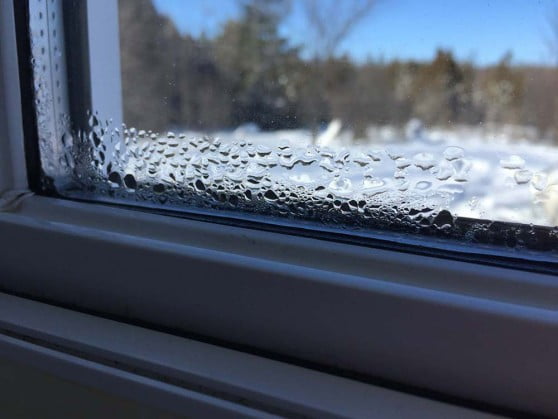
 How Can You Stop Condensation on Windows
Dealing with condensation on your windows can be a real pain, especially here in Ottawa, where we get those cold winters. It’s that foggy look that creeps up, and if you let it go too long, you might even start seeing mold. But don’t worry, it’s usually not a huge problem if you catch it early. This article will help you figure out why it’s happening and what you can do about it, so you can get back to seeing clearly out your windows.
Key Takeaways
- Condensation forms when warm, moist indoor air meets cold window surfaces, a common issue in Ottawa’s climate.
- Understanding if condensation is on the inside, outside, or between panes helps pinpoint the cause.
- Improving home ventilation and controlling indoor humidity are key to reducing condensation.
- Simple actions like using exhaust fans, adjusting humidifiers, and circulating air can make a big difference.
- Persistent condensation or moisture between panes might mean it’s time for professional help or window upgrades.
Understanding Window Condensation in Ottawa
Living in Ottawa means dealing with some pretty distinct weather patterns, and that often includes dealing with condensation on our windows. It’s a common issue, especially when the temperature outside takes a nosedive while our homes stay nice and toasty. This difference creates a situation where warm, moist air inside meets the cold glass, and voilà – water droplets appear.
What Causes Condensation on Windows?
Basically, condensation happens when warm, humid air touches a surface that’s colder than the air itself. Think of it like a cold glass of water on a summer day; moisture from the air clings to the outside of the glass. Inside your home, this usually means your indoor air has a lot of moisture, and your windows are the coldest surfaces around. This can lead to excessive moisture buildup if not managed.
There are a few places you might see this:
- Interior Condensation: This is the most common type, appearing on the inside of your windows. It’s a clear sign that the air inside your home is too humid for the outside temperature.
- Exterior Condensation: You might see this on the outside of your windows, especially on cooler mornings. It’s similar to dew forming on grass and usually means your home is well-insulated. It’s generally not a problem and will evaporate as the day warms up.
- Between-Pane Condensation: If you notice moisture or fogging between the panes of glass in your double- or triple-glazed windows, that’s a different story. This usually points to a broken seal, meaning the window’s insulating properties are compromised. This often requires professional attention, as it can indicate broken seals.
The Impact of Ottawa’s Climate on Window Condensation
Ottawa’s climate is a big factor. We experience cold winters with very low outdoor temperatures, and while we try to keep our homes warm and comfortable, this creates a significant temperature difference. High indoor humidity, often from cooking, showering, or even breathing, gets trapped inside. When this warm, moist air hits the super-cold window surfaces, condensation is almost inevitable.
This constant moisture can be a real nuisance and, if left unchecked, can lead to problems like mold and mildew, especially around window frames and sills. It’s why finding ways to reduce window moisture in Ottawa is so important for maintaining a healthy home environment.
Identifying the Source of Your Window Condensation

So, you’ve got that foggy look on your windows. It’s a common sight, especially when the weather outside gets chilly. But where is it actually coming from? Figuring out the source is the first step to getting rid of it. Let’s break down the different types of condensation and what they might be telling you about your home.
Interior vs. Exterior Condensation: What’s the Difference?
Condensation on the outside of your windows is usually nothing to worry about. Think of it like dew on the grass in the morning. It happens when the outside air is warmer and more humid than your window glass. This often occurs on clear, calm mornings. The good news? It usually clears up on its own as the day warms up. In fact, seeing condensation on the exterior can sometimes mean your home is well-insulated!
On the other hand, condensation on the inside of your windows is a different story. This is a pretty clear sign that there’s too much moisture in the air inside your house. Everyday activities like showering, cooking, or even just breathing add moisture to your indoor air. When this warm, moist air hits the cooler surface of your window glass, it condenses. This is one of the main causes of window fogging.
There’s also a third type: condensation between the panes of glass in double or triple-glazed windows. If you see this, it means the seal on your window has failed. The insulating gas has escaped, and moisture has gotten in. This kind of condensation can’t be wiped away and usually means it’s time for a repair or replacement. If your windows are older, you might want to look into window efficiency options.
Signs of Excessive Indoor Humidity
Beyond just seeing fog on the glass, there are other clues that your home might be a bit too humid. Paying attention to these can help you address the root causes of window condensation before it becomes a bigger problem.
- Musty Odors: A persistent damp or musty smell, especially in bathrooms or basements, is a strong indicator of high humidity and potential mold growth.
- Peeling Paint or Wallpaper: Excess moisture can cause paint to chip and wallpaper to bubble or peel away from the walls.
- Damp Spots on Walls or Ceilings: Look for discolored or wet-looking areas, which suggest moisture is seeping into your building materials.
- Warped Wood: Wooden items like door frames, cabinets, or even furniture can start to warp or swell when exposed to too much moisture over time.
Understanding these different types of condensation and their associated signs is key to tackling the problem effectively. It helps you pinpoint whether you need to adjust your daily habits, improve ventilation, or consider more significant window upgrades.
Effective Strategies to Prevent Window Condensation
Dealing with condensation on your windows can be a real pain, especially when it starts to look like it’s here to stay. But don’t worry, there are definitely ways to tackle it. The key to preventing condensation in homes often comes down to managing moisture and improving air flow. It’s not always about the windows themselves, but what’s happening inside your house.
Improving Ventilation in Your Ottawa Home
Good ventilation is your best friend when it comes to stopping condensation. Think of it as giving your home a chance to breathe. When moist air gets trapped inside, it has nowhere to go and ends up settling on your cold window panes.
- Use exhaust fans: Always turn on the fans in your bathroom when you shower and in your kitchen when you cook. Let them run for about 20 minutes after you’re done to really clear out the moisture.
- Open windows periodically: Even in colder weather, cracking a window open for a bit each day can make a big difference. It lets that humid air escape and fresh air come in. This is a simple way to improve air circulation and combat excess moisture.
- Circulate indoor air: Use ceiling fans, even in winter. Running them clockwise on a low setting can help move air around your rooms, preventing pockets of humidity from forming.
Controlling Indoor Humidity Levels
Beyond just ventilation, actively controlling how much moisture is in your air is super important. If you have a humidifier, make sure it’s not set too high. You can get a simple hygrometer to check your home’s humidity levels; aiming for around 30-50% is usually a good target, especially in winter.
- Relocate moisture producers: Plants release moisture, so if you have a lot in one room, consider moving some. Firewood stored indoors can also contribute.
- Cover pots and pans: When you’re cooking, using lids traps steam, reducing the amount of moisture released into the kitchen air.
- Consider a dehumidifier: For persistent issues, a portable dehumidifier can be a game-changer. These devices pull water right out of the air, directly addressing the source of condensation. You can find small, efficient models that are perfect for specific rooms or even whole-home systems.
Window Maintenance and Upgrades
While managing indoor conditions is key, sometimes your windows themselves might need a little attention. Older, single-pane windows are much more prone to condensation because the interior glass surface gets very cold.
- Check for drafts: Seal any gaps around your window frames with caulk or weatherstripping. This stops cold air from getting in and warm, moist air from getting out, which can cause condensation.
- Consider window treatments: Insulated curtains or blinds can add an extra layer of protection, helping to keep the interior glass surface warmer.
- Upgrade if necessary: If your windows are very old and drafty, replacing them with modern, double or triple-paned windows can significantly reduce condensation issues in the long run. This is a bigger step, but it offers a more permanent solution.
When to Seek Professional Help for Window Condensation
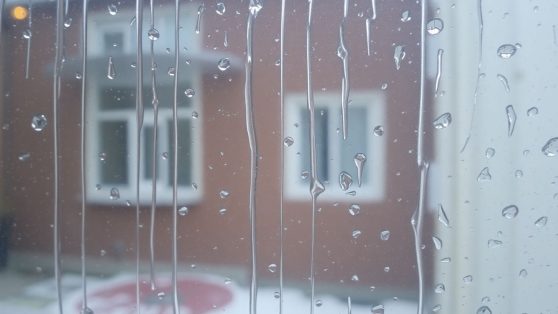
While many condensation issues can be tackled with a bit of DIY effort, there are times when it’s best to call in the pros. If you’re seeing moisture build up between the panes of your double or triple-glazed windows, that’s a pretty clear sign the seal has failed. This isn’t just a cosmetic issue; it means your window’s insulation isn’t working like it should, and it’s letting in outside air. Trying to fix this yourself is usually a losing battle, and it might be time to look into window repair or replacement.
Persistent condensation can also lead to bigger problems down the road. Think mold and mildew. If you notice any fuzzy growth on your window frames, sills, or even the walls nearby, it’s a red flag. Mold can affect your home’s air quality and even cause health issues, so it’s not something to ignore. In these cases, professional mold remediation might be necessary to get rid of it properly and prevent it from coming back.
Here are a few more signs that it’s time to get expert advice:
- Condensation that reappears quickly after you’ve wiped it away, even after trying to reduce indoor humidity.
- Visible signs of damage to window frames, like warping, rot, or peeling paint, which could be moisture-related.
- Your windows are quite old, perhaps single-paned, and seem to be a constant source of drafts and condensation, regardless of your efforts.
Long-Term Solutions for Condensation-Free Windows in Ottawa
Dealing with foggy windows year after year in Ottawa can be a real drag. While quick fixes might offer temporary relief, thinking about the long haul is where it’s at for truly condensation-free windows. This means looking beyond just wiping down the glass and really getting to the root of the problem, which often involves managing your Ottawa home humidity solutions.
One of the most impactful long-term strategies is upgrading your windows. Older, single-pane windows just don’t cut it when it comes to insulation. Modern, energy-efficient windows, especially those with double or triple glazing and low-E coatings, create a much better barrier against the cold outside.
This reduces the temperature difference between the inside and outside of the glass, a major culprit for condensation. If a full window replacement isn’t in the cards right now, consider adding storm windows or improving the seals around your existing ones. This can make a surprising difference.
Beyond the windows themselves, think about your home’s overall ventilation and insulation. Ensuring your attic and basement are properly insulated helps keep your home warmer overall, reducing the need to crank up the heat, which can exacerbate condensation. Improving air circulation throughout your home is also key.
Using ceiling fans, even in winter, can help move moist air away from cold surfaces. Consider installing or upgrading exhaust fans in moisture-heavy areas like bathrooms and kitchens; a fan that’s too small just won’t do the job effectively.
Here are some key areas to focus on for lasting results:
- Assess and upgrade your windows: Look into modern, energy-efficient options if your current ones are old or failing.
- Boost home insulation: Proper insulation in attics and walls prevents heat loss and keeps interior surfaces warmer.
- Improve air circulation: Use fans and ensure vents aren’t blocked to keep air moving.
- Manage moisture sources: Be mindful of activities that add humidity, like cooking and showering, and use exhaust fans.
For those really stubborn cases or if you suspect a seal issue, getting a professional inspection is a smart move. They can pinpoint specific problems, like condensation between window glass panes, and recommend the best course of action, whether that’s repair or replacement. It’s about creating a healthier, more comfortable living environment in your Ottawa home.
Wrapping Up the Condensation Battle
So, dealing with condensation on your windows might seem like a never-ending chore, especially when it’s cold out. We’ve looked at a bunch of ways to tackle it, from simple wiping to making sure your home has good airflow. Remember, a little bit of condensation isn’t usually a big deal, but if it’s happening all the time, it’s your home’s way of telling you there’s too much moisture hanging around.
Keeping things ventilated, maybe using a dehumidifier, and just being mindful of how much moisture we create day-to-day can make a real difference. It’s all about finding what works best for your home and sticking with it to keep those windows clear and your home healthy.
Frequently Asked Questions
What exactly is window condensation?
Window condensation is basically water droplets that show up on your windows. It happens when warm, damp air inside your house touches the cold glass of the window. Think of it like a cold glass of water on a hot day – the outside of the glass gets wet. Your windows are similar, especially when it’s cold outside.
Is condensation on my windows a big problem?
A little bit of condensation sometimes isn’t a huge deal, especially if you wipe it away quickly. But, if you have a lot of it, or if it stays there for a long time, it can lead to mold and mildew. This can damage your window frames and even be bad for your health.
What’s the difference between condensation inside and outside my windows?
Condensation on the inside usually means there’s too much moisture in your house. Condensation on the outside is often a good sign – it means your windows are doing a good job of keeping the inside warm, like a cold drink glass on a hot day. Condensation between the window panes means the seal is broken and the window needs fixing.
How can I reduce the moisture in my home?
You can reduce moisture by using exhaust fans in your kitchen and bathroom when you cook or shower. Also, try not to overwater houseplants, and make sure your dryer vent is working properly. Using a dehumidifier can also really help dry out the air.
Are there simple ways to stop condensation without spending a lot of money?
Yes! Opening your windows for a short time each day, even in winter, can let moist air escape. Making sure your heating is on a consistent temperature helps too. Wiping down windows regularly is a quick fix, and using moisture absorbers can soak up extra dampness.
When should I call a professional about window condensation?
You should call a professional if you see condensation between the panes of your windows, as this means the seal is broken. Also, if you have a lot of mold growing around your windows due to condensation, or if your windows are very old and constantly have problems, it’s time to get expert advice.